Tips to Protect Your Home From Freezing Temps (New Homeowner Guide)
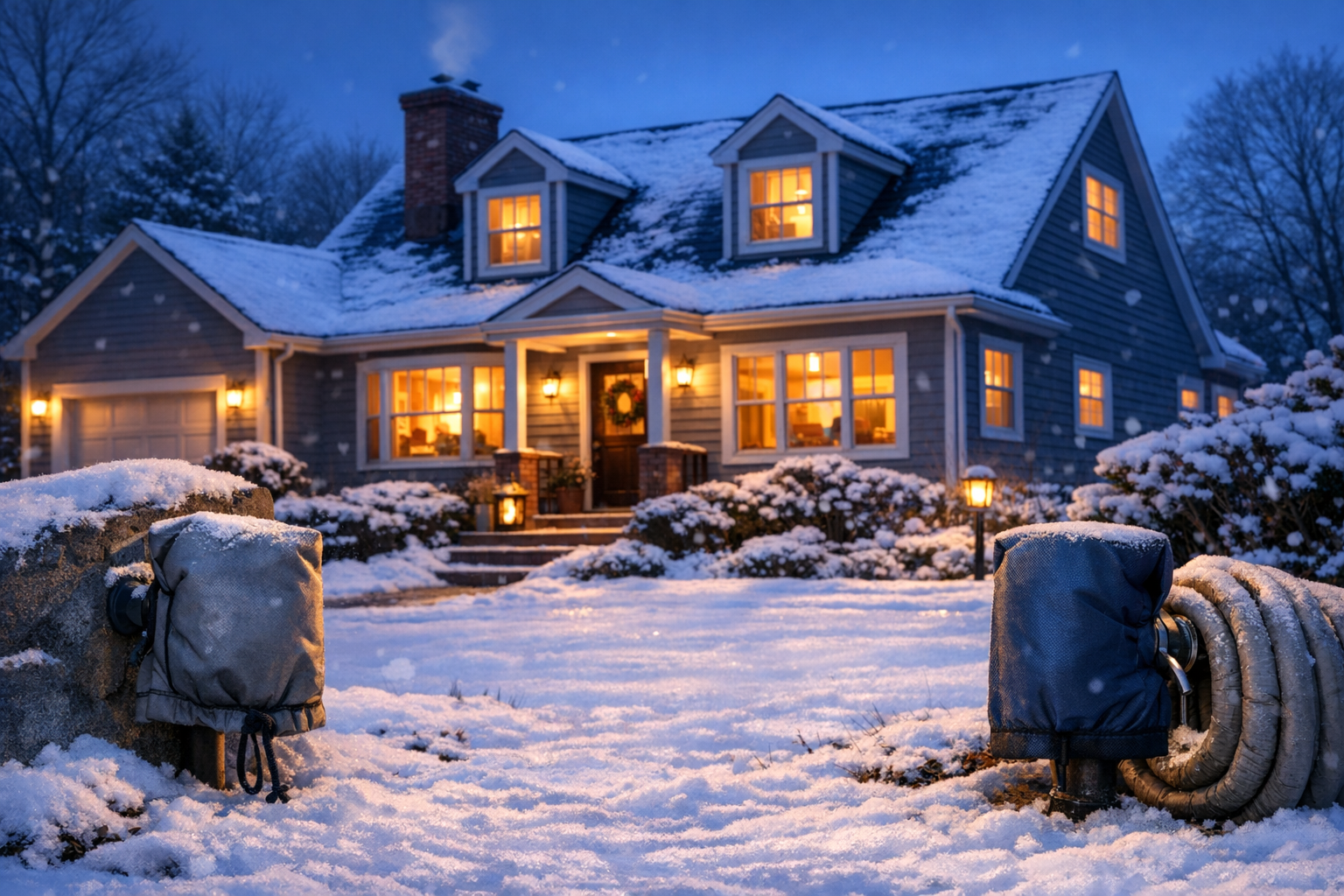
As winter settles in, freezing temperatures can be more than just uncomfortable. They can quietly damage your new home and lead to expensive repairs.
According to HomeAdvisor, water damage from frozen and burst pipes is one of the most common and costly winter home insurance claims, often running into thousands of dollars per incident. The good news is that a few simple habits and some basic prep can drastically lower your risk.
This guide will walk you through practical, beginner friendly steps to protect your home from freezing temps, with a special focus on preventing frozen pipes and water damage.
1. Know Your Home’s Cold‑Weather Weak Spots
Before you can protect your home, you need to know where it is most vulnerable. As a new homeowner, this is a great chance to get familiar with your house.
Find the areas most likely to freeze
Pipes and systems in these places are at higher risk during cold snaps:
- Unheated basements and crawl spaces
- Attics and garages
- Exterior walls (especially under kitchen and bathroom sinks)
- Near drafty doors, windows, and foundation cracks
Walk around your home and make a quick winter checklist:
- Locate your main water shut‑off valve.
- Find where water enters your home and identify the main shut‑off.
- Practice turning it off so you are not guessing during an emergency.
- Note where plumbing runs through unheated spaces.
- Look in the basement, crawl space, garage, and attic for exposed pipes.
- Check for drafts.
- On a cold day, feel around windows, doors, and where pipes pass through walls. Cold air on your hand is a sign you should seal or insulate.
This quick survey takes less than an hour but gives you a roadmap for where to focus your efforts.
2. Protect Your Pipes Before Temperatures Drop
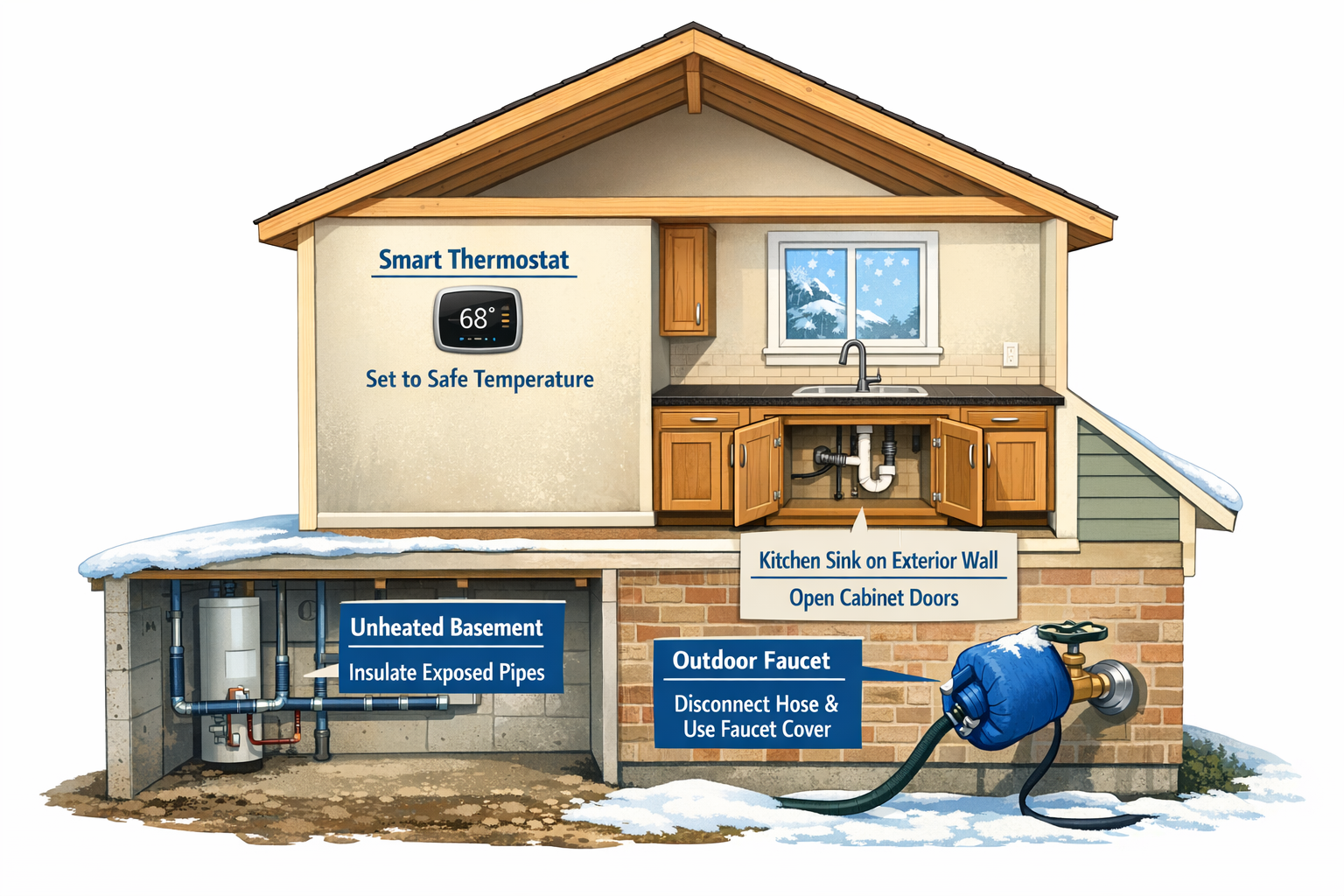
Frozen pipes are one of the biggest winter headaches for homeowners. When water freezes, it expands and can cause pipes to burst, sending water into walls, ceilings, and floors.
Insulate exposed pipes
Insulating pipes in unheated areas is one of the most effective prevention steps.
According to HomeAdvisor, insulating exposed pipes in basements, attics, crawl spaces, and garages significantly lowers the risk of freezing. They note that professional pipe insulation averages around $600 per 100 linear feet, but many new homeowners can DIY basic insulation for less.
Where to insulate:
- Pipes in unheated basements or crawl spaces
- Pipes running along garage walls or ceilings
- Pipes in attics or near vents and exterior walls
Easy DIY steps:
- Buy foam pipe insulation sleeves from a hardware store.
- Measure and cut the sleeves to length.
- Snap them over the pipes and seal any gaps with tape.
- Use pipe insulation tape or extra foam around elbows and fittings.
If your home has complex or hard to reach plumbing, you can hire a plumber or handyman and focus DIY efforts on the most exposed, obvious areas.
Seal drafts around pipes and openings
Even good insulation will struggle if icy air is blowing directly on your plumbing. According to Blue Duck Plumbing, sealing cracks and gaps near pipes, windows, and doors helps keep areas around plumbing warmer and reduces the risk of freezing.
Look for and seal these spots:
- Gaps around pipe penetrations in walls and floors
- Cracks around basement windows or foundation openings
- Drafty door frames and window frames
Use caulk for smaller gaps and expanding spray foam for larger openings. This step not only protects pipes but also improves your home’s energy efficiency.
Winterize outdoor water lines
Outdoor water lines are often the first to freeze and can cause hidden interior damage if ice backs up into the house.
According to Smart Home Muse, you can reduce the risk of burst hose bibs and outdoor lines by:
- Disconnecting garden hoses from outdoor faucets
- Draining outdoor spigots after shutting them off
- Shutting off and draining outdoor water lines at the interior shut‑off valve, if your home has one
- Adding insulated covers over exterior faucets
If you are unsure which valve controls your outdoor spigots, trace the pipe back inside or ask a plumber during your next service visit. Once you learn it, label it so you remember next year.
3. Daily Habits During a Cold Snap
When the forecast calls for freezing temperatures, a few simple habits can make a big difference, especially overnight.
Keep your home warm enough
Many plumbing and insurance experts recommend keeping your indoor temperature no lower than about 55°F to 60°F, even when you are away. For example, Maryland Plumbing Services suggests keeping thermostats set to at least 55°F when you are not home, while some insurance providers recommend 60°F.
For new homeowners, that means:
- Avoid turning the heat way down to save on bills when you are at work or away for the weekend.
- If you will be gone longer, consider setting the thermostat around 58°F to 60°F so the home stays warm enough to protect pipes.
A slightly higher heating bill is far cheaper than repairing water damage from a burst pipe.
Open cabinets under sinks on exterior walls
Pipes under kitchen and bathroom sinks that sit on exterior walls can get very cold, even when the rest of the house feels comfortable.
According to Maryland Plumbing Services, opening cabinet doors under these sinks during cold snaps lets warm room air circulate around the pipes and helps prevent freezing.
When temps drop:
- Open the cabinet doors under kitchen sinks on outside walls
- Do the same for bathroom vanities along exterior walls
- Move cleaners or chemicals up and out of reach if you have children or pets
Consider letting faucets drip in extreme cold
Many experts, including Iron City Insurance Brokers, suggest allowing faucets to drip slightly during periods of extreme cold. The tiny flow of water helps relieve pressure inside pipes and makes it harder for water to freeze.
However, some cities or water utilities have asked residents not to drip faucets during certain severe weather events because of concerns about system‑wide water pressure. In those cases, local guidance should always take priority.
If it is safe and recommended in your area, focus on:
- Farthest faucets from where water enters your home
- Exposed or vulnerable lines, such as sinks above unheated spaces or on exterior walls
A slow drip is usually enough. You do not need a steady stream.
4. Smart Tech That Helps Prevent Winter Damage
As a new homeowner, smart home devices can give you extra peace of mind in winter, especially if you travel.
According to Chubb Insurance, smart thermostats, low‑temperature sensors, leak detectors, and automatic shut‑off valves can significantly reduce damage from freezing events by alerting you early or stopping water when leaks occur.
Helpful devices to consider
-
Smart thermostat
- Lets you monitor and adjust your home’s temperature from your phone.
- You can set alerts if the temperature drops too low.
-
Low‑temperature sensors
- Small sensors you place in vulnerable areas like basements, crawl spaces, or near plumbing runs.
- They send an alert if temperatures approach freezing.
-
Water leak detectors
- Sensors that sit on the floor near water heaters, washing machines, under sinks, and in basements.
- They sound an alarm or send a phone alert when they detect moisture.
-
Automatic water shut‑off valves
- Installed on your main water line.
- Can automatically shut off water if a big leak or flow is detected.
These tools do not replace good basic maintenance, but they act like an extra set of eyes when you are asleep or away from home.
5. What To Do If Pipes Freeze Or Burst
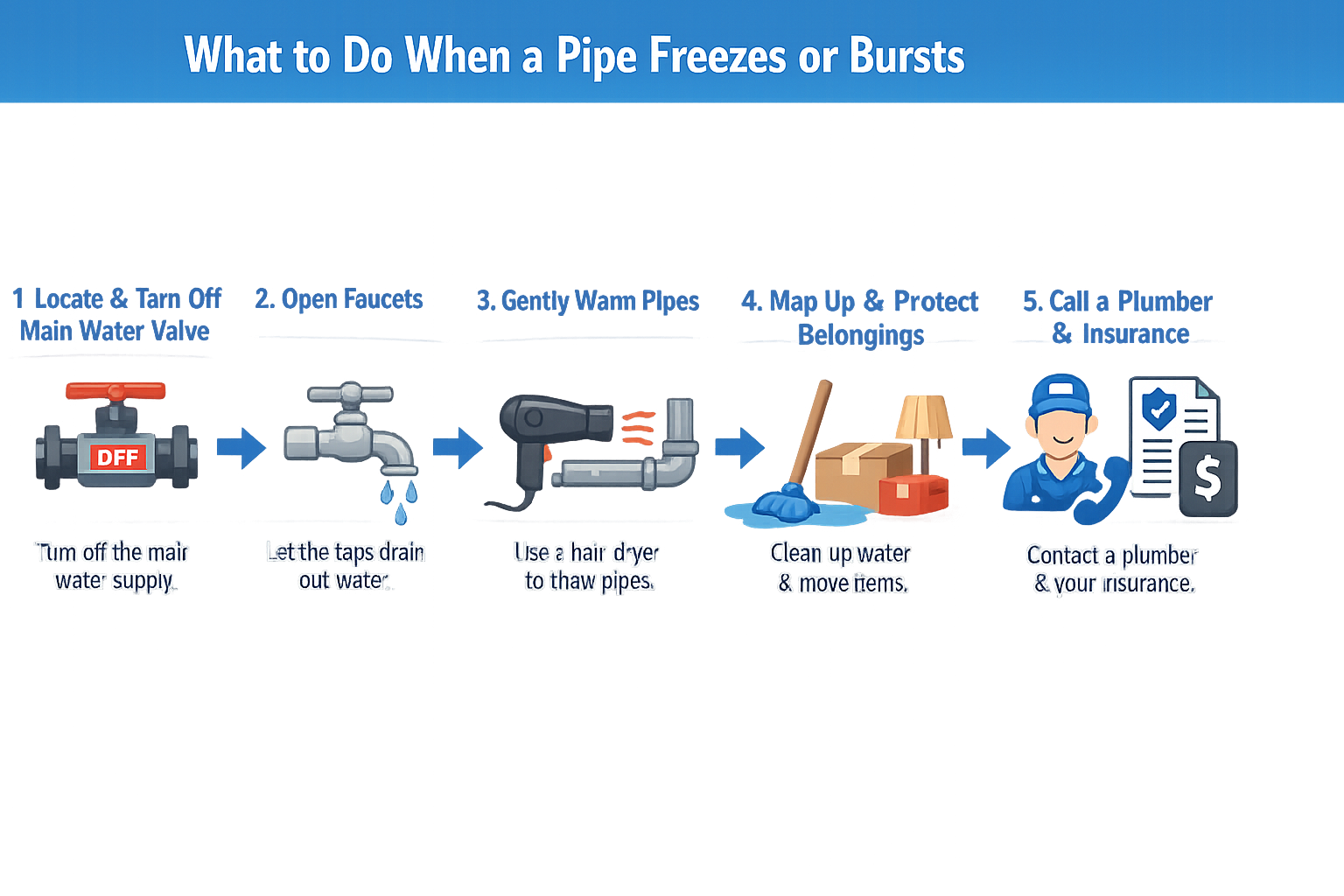
Even with good preparation, severe cold can still cause trouble. Knowing what to do in the first minutes can greatly limit damage.
Signs a pipe may be frozen
- You turn on a faucet and no water (or only a trickle) comes out
- Sections of pipe feel very cold or have frost on them
- You hear strange noises in the walls when water tries to flow
If you suspect a frozen pipe:
-
Turn off the water at the main shut‑off valve if you think the pipe has already burst or you hear water running where it should not be.
-
Open the faucet that the pipe feeds, so water and steam can escape when it thaws.
-
Warm the pipe slowly using:
- A hair dryer on low
- Warm towels wrapped around the pipe
- A portable space heater placed at a safe distance
Never use an open flame or blowtorch. It is a serious fire risk and can damage pipes.
-
If you cannot reach the frozen section or it is inside a wall, call a licensed plumber.
If a pipe bursts
Move fast, but stay calm.
-
Shut off the main water valve immediately.
This stops more water from flooding your home. -
Turn off electricity to affected areas if water is near outlets, lights, or the breaker panel. If you are unsure, call an electrician or your utility for guidance before touching anything.
-
Start removing water:
- Use towels, a wet/dry shop vacuum, and buckets.
- Move furniture, rugs, and belongings out of the wet area.
-
Document the damage:
- Take photos and videos of affected areas and items.
- This can help with insurance claims.
-
Call a plumber to repair the break and inspect for other potential issues.
-
Contact your insurance company if there is significant damage.
The sooner you respond, the better your chances of avoiding mold and major structural repairs.
Winter Protection Can Be Simple
Protecting your home from freezing temperatures does not have to be complicated or expensive. As a new homeowner, focus on a few key habits:
- Know your home’s weak spots and your main water shut‑off location
- Insulate and protect exposed pipes, especially in unheated spaces
- Seal drafts and winterize outdoor faucets and hoses
- Keep your home warm enough and open cabinets on exterior walls during cold snaps
- Consider smart tech for temperature and leak monitoring
- Act quickly if you notice signs of frozen pipes or leaks
A little preparation now can save you thousands of dollars and a lot of stress later. Your home will be safer, more comfortable, and ready for whatever winter brings.
If you have just purchased a new home, this is the perfect time to build good habits. Use HomeWalk to guide your first full home walkthrough so you can spot vulnerable pipes, find your shut‑off valves, and create a personalized cold‑weather checklist. With the right plan in place, you can enjoy winter from the comfort of a warm, well protected home.
Related Resources
Keeping Your New Home Warm in Winter: A Practical Guide for First-Time Homeowners
Learn simple, cost‑effective ways to keep your new home warm in winter, lower heating bills, and avoid common first‑time homeowner mistakes.
How Long Should a Water Heater and Furnace Last? A Homeowner’s Lifespan Guide
Learn how long water heaters and furnaces usually last, warning signs of failure, and simple maintenance tips to extend their life.
Winter Landscaping Tips: Transform Your Yard into a Cozy Hideaway
Discover winter landscaping strategies to save energy and brighten your yard in colder months.