Keeping Your New Home Warm in Winter: A Practical Guide for First-Time Homeowners
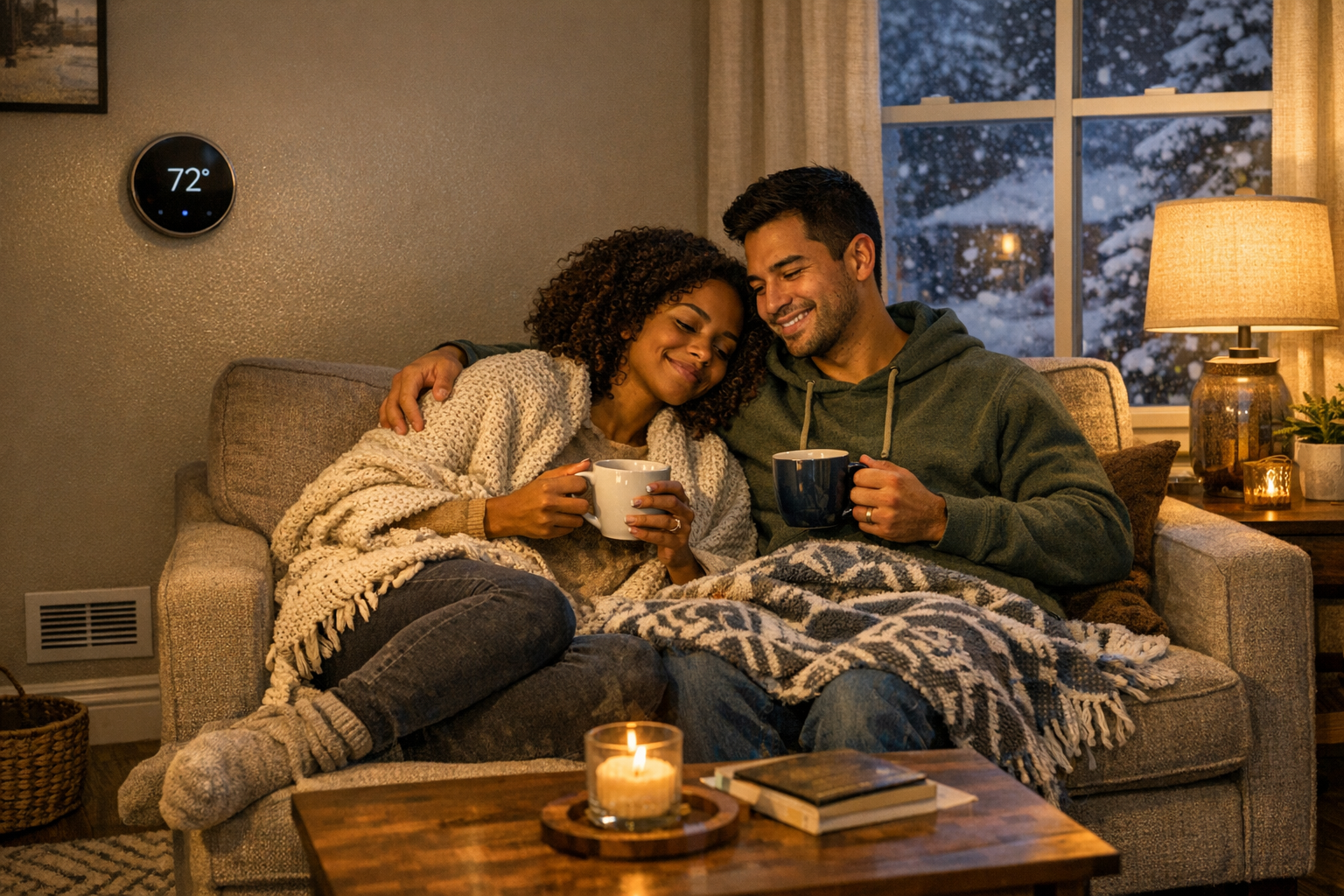
Keeping Your New Home Warm in Winter: A Practical Guide for First-Time Homeowners
Moving into your first home is exciting until that first cold snap hits and you see your heating bill. Space heating is the single largest energy use in U.S. homes, accounting for about 42% of residential energy consumption and averaging $519 per household in 2020, according to the U.S. Energy Information Administration. Getting winter comfort right is one of the fastest ways to protect your budget and make your home feel truly “yours.”
This guide breaks down what first-time homeowners need to know to keep a new home warm in winter, without wasting money or energy. You will learn:
- How your heating system actually works
- Smart thermostat strategies that can lower bills
- Simple fixes to stop drafts and heat loss
- Room-by-room tips to feel warmer without cranking the heat
- When to call a pro and what to ask
Whether your home runs on gas, electricity, or a heat pump, these practical steps will help you stay cozy and in control of your winter costs.
1. Know Your Heating System and Fuel Type
Before you can improve comfort or reduce bills, you need to understand what you are working with. In many inspections and closings, this gets only a quick mention, so it is easy to move in without a clear picture.
Common heating systems in first homes
Most U.S. homes use one of these systems:
-
Forced-air furnace
Blows warm air through ducts and vents in each room. Typically fueled by natural gas, propane, or electricity. -
Boiler with radiators or baseboard heat
Heats water and sends it through pipes to radiators or baseboards. Commonly fueled by gas, oil, or electricity. -
Electric heat pump
Works like an air conditioner in reverse, moving heat from outdoors to indoors. Often paired with electric resistance “backup” heat. -
Electric resistance heaters
Baseboard strips or wall units that heat using electricity only. Simple but often more expensive to run than a high-efficiency furnace or heat pump.
Why fuel type matters
According to the U.S. Environmental Protection Agency using EIA data, natural gas accounts for about 72% of the energy used for home heating in the United States, making it the most common heating fuel nationally for winter comfort source. At the same time, about 42% of U.S. households now use electricity as their primary space heating fuel, up from 35% in 2010, while natural gas has declined from 49% to 47%, according to U.S. Census data summarized by NPGA.
Why this matters for you:
-
Operating cost
Gas and electric rates vary widely by region. Your local utility site or state energy office often has cost comparisons. -
Comfort and speed
Forced-air systems warm rooms quickly. Radiant systems like radiators or in-floor heat warm surfaces and can feel more comfortable at lower air temperatures. -
Control strategy
Heat pumps and boilers respond differently to thermostat changes compared with gas furnaces.
Action step: Find your system and fuel on your inspection report or appliance labels, and note:
- System type (furnace, boiler, heat pump, baseboard)
- Fuel (natural gas, propane, oil, electricity)
- Age and model of the main heating unit
This gives you a baseline for smart thermostat choices and maintenance.
2. Use Your Thermostat Strategically (Without Freezing)
Heating and cooling make up almost half of the average American home’s annual energy bill (over $900), according to ENERGY STAR. The thermostat is your main control, so using it wisely can unlock real savings.
Programmable and smart thermostat basics
The U.S. Department of Energy explains that turning your thermostat back 7–10 °F for 8 hours a day from its normal setting can save up to about 10% a year on heating and cooling bills, especially in milder climates source.
Simple schedules that work for many households:
- When you are home and awake: 68–70 °F is a common target
- When you are asleep: 60–65 °F for gas/oil furnaces or boilers
- When you are away for the day: 62–65 °F
Every degree you lower the setpoint for a sustained period usually reduces your bill.
ENERGY STAR notes that certified smart thermostats can save about $50 per year on average, and up to $100 in high-usage homes, by learning your schedule and adjusting automatically source.
Important exception: traditional heat pumps
There is one key nuance that trips up many first-time homeowners. According to the U.S. Department of Energy, programmable thermostats are generally not recommended for traditional heat pumps in heating mode. Large, frequent setbacks can trigger the less efficient backup electric resistance heat, wiping out your potential savings source.
If you have a heat pump:
- Use small setbacks (2–3 °F) rather than big day/night swings.
- Consider a heat-pump specific thermostat or a smart thermostat clearly labeled as compatible with heat pumps.
- Avoid constantly bumping the temperature up and down.
Thermostat tips for first-time homeowners
-
Start conservative
Pick a comfortable “home” temperature and experiment with 1–2 °F adjustments for a few days before deciding it is too cold. -
Use schedules, not manual changes
Let your programmable or smart thermostat follow a routine. Manual “yo-yo” adjustments often use more energy. -
Check location
Make sure the thermostat is not near drafts, direct sun, or heat sources (like a TV or lamp). Those can mislead the sensor. -
Use setbacks when it fits your life
If you work from home all day, night-only setbacks may make more sense. If the house is empty 9–5, use a weekday schedule.
3. Seal Drafts and Improve Insulation
Even the best heating system will struggle if your home is leaking warm air. Nearly half of the energy used in U.S. buildings goes to space conditioning, with space heating a major share, according to the U.S. Energy Information Administration. Air sealing and insulation offer some of the biggest comfort and cost payoffs.
Quick, low-cost draft fixes
Start with the obvious leaks you can feel:
-
Exterior doors
Add or replace weatherstripping around the frame. Use a door sweep at the bottom if you see light or feel cold air. -
Windows
Use rope caulk or removable sealant around leaky window frames. In colder climates or in older windows, add shrink-fit plastic window film on the inside to create an extra air layer. -
Outlets and switches on exterior walls
Install inexpensive foam gaskets behind the cover plates to cut drafts. -
Gaps around pipes and cables
In the basement or under sinks, seal gaps where pipes or wires go outside using caulk or spray foam (fire-safe materials where required).
Most of these are DIY-friendly and can be done in a weekend for a modest cost.
Bigger improvements: attic and walls
In many homes, especially older ones, the attic is the most cost-effective place to add insulation.
Key steps:
- Check for obvious gaps or very thin insulation layer.
- Look for dark streaks or dirty areas in insulation, which can show air leaks from the living space below.
- Seal major penetrations (light fixtures, plumbing vents, chimney gaps) before adding more insulation.
For walls and foundations, it is usually best to consult a qualified insulation or home performance contractor. They can perform a blower door test to find hidden leaks and recommend the right upgrades for your climate.
Window treatments for extra comfort
If replacing windows is not in the budget:
- Use thermal curtains or lined drapes on the coldest windows.
- Open curtains on sunny south-facing windows during the day to let in heat, then close them at night.
- Use cellular shades (honeycomb shades) to trap air and cut drafts.
These simple habits can make rooms feel several degrees warmer without touching the thermostat.
4. Make Each Room Feel Warmer Without Cranking the Heat
Comfort is about more than just air temperature. Surfaces, drafts, and your own habits all affect how warm your home feels.
Improve airflow and reduce cold spots
-
Reverse ceiling fans to winter mode
In winter, a fan should spin at low speed in a direction that gently pushes warm air down without creating a breeze. Many fans have a small switch on the housing. -
Keep vents and radiators clear
Move furniture, rugs, or curtains that block supply vents or cover radiators. Blocked vents make the system work harder and create cold zones. -
Balance temperatures between rooms
Slightly close supply vents in rooms that overheat to push more air to colder rooms. Avoid closing too many vents, since that can increase duct pressure and stress the system.
Use space heaters safely and strategically
If you spend most of your time in one room, a small, safe space heater can be a helpful supplement so you can lower the main thermostat a couple of degrees.
Safety basics:
- Choose models with tip-over and overheat protection.
- Keep at least 3 feet of clearance from curtains, bedding, furniture, and anything flammable.
- Plug directly into a wall outlet, not a power strip or extension cord.
- Turn off when you leave the room or go to sleep.
Space heaters are usually more expensive to run per unit of heat than central systems, so use them to “top up” comfort in specific areas, not heat the whole home.
Warmth from habits and home setup
A few small changes can make a big difference in how warm you feel:
- Add area rugs on bare floors, especially over unheated spaces like garages or crawlspaces.
- Rearrange seating away from drafty windows or exterior doors.
- Keep cozy layers (throws, slippers, thicker socks) accessible in your main living spaces.
- Use hot water bottles or heating pads safely for targeted warmth when relaxing, instead of turning up the thermostat.
These changes are simple, but in a first home where you are still learning how the space feels, they help you stay comfortable while you gather more data on your system and bills.
5. Stay Ahead of Winter with Basic Maintenance
According to the U.S. Energy Information Administration, U.S. households spent an average of $1,884 on all home energy in 2020, and homes in colder climates use far more energy than those in warm states source. A little preventive maintenance can keep your system efficient and help avoid surprise repair costs in the middle of winter.
Simple DIY checks
-
Change or clean furnace filters regularly
For most systems, check filters monthly during heavy use and replace them at least every 3 months. Dirty filters restrict airflow, reduce comfort, and can shorten equipment life. -
Clear outdoor units
For heat pumps, keep the outdoor unit free of leaves, snow, and debris with at least 2 feet of clearance around it. -
Bleed radiators (for hot-water systems)
If your radiators are cool at the top and hot at the bottom, they may need air bled from the system. Follow your boiler manufacturer’s instructions or ask a pro to show you the first time. -
Listen and look for warning signs
New noises, frequent cycling on and off, or rooms that never warm up are signals to investigate before a full breakdown.
When to call a professional
Schedule a pre-season heating checkup with a licensed HVAC contractor if:
- You just bought the home and do not know the service history
- The system is 10–15 years or older
- Your energy bills spike without a clear reason
- You notice strange smells, soot, or frequent burner lockouts
Ask them to:
- Inspect and clean burners, heat exchangers, and coils
- Confirm safe operation (especially for gas and oil units)
- Check thermostat operation and settings
- Review ductwork or radiator balance
If you are planning major upgrades like a new furnace, boiler, or heat pump, consider an energy audit to right-size equipment and identify insulation or air sealing work that can reduce the size and cost of the new system.
Bringing It All Together (and How HomeWalk Can Help)
Your first winter in a new home is a learning experience. Space heating is one of your biggest ongoing costs, but it is also one of the easiest areas to improve with a mix of smart controls, quick DIY projects, and informed decisions.
To recap, you can:
- Understand your system and fuel so you can make the right choices on thermostats, upgrades, and operating costs.
- Use your thermostat strategically, with thoughtful schedules and special care if you have a heat pump.
- Seal drafts and improve insulation to keep the heat you pay for inside your home.
- Boost comfort room by room by improving airflow, using space heaters wisely, and adjusting your setup.
- Stay on top of maintenance to avoid mid-winter surprises and keep bills predictable.
HomeWalk is built to help homeowners feel confident, not overwhelmed. With verified home history and records of past improvements, you can:
- See what heating upgrades have already been done
- Spot gaps, like missing insulation or overdue HVAC service
- Plan future improvements with real data instead of guesswork
As you settle into your new place, use HomeWalk to track your home’s heating history, document any upgrades you make, and keep everything organized for the next season or the next owner. A warmer, more efficient home starts with understanding its story.
Related Resources
How Long Should a Water Heater and Furnace Last? A Homeowner’s Lifespan Guide
Learn how long water heaters and furnaces usually last, warning signs of failure, and simple maintenance tips to extend their life.
Winter Landscaping Tips: Transform Your Yard into a Cozy Hideaway
Discover winter landscaping strategies to save energy and brighten your yard in colder months.
Water Leak Detection and Automatic Shut Off Valves: A New Homeowner’s Guide
Learn how water leak detectors and automatic shut off valves protect your new home, what they cost, and simple steps to prevent expensive water damage.